
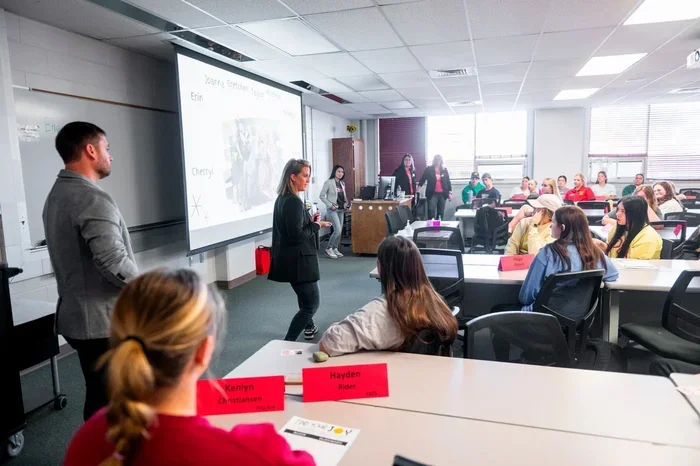
A specialist degree in education is an advanced graduate-level credential designed for educators who want to deepen their expertise beyond a master’s degree. It typically requires 30 to 45 credit hours and focuses on specialized areas like educational leadership, curriculum design, or educational psychology. This degree fills the gap between a master’s and a doctorate, offering targeted training without the full research commitment of a PhD or EdD.
Key Takeaways
- A specialist degree in education bridges the gap between a master’s degree and a doctoral degree, offering focused advanced training for educators.
- Common types include the EdS, specialist in education, and advanced certification programs tailored to specific career goals.
- Career benefits are significant, including higher salaries, leadership roles, and specialized expertise in areas like curriculum development or school administration.
- Admission requirements typically include a master’s degree, a minimum GPA, professional teaching experience, and letters of recommendation.
- The program usually takes 1 to 2 years to complete, making it a time-efficient option for working professionals.
- Licensure and certification requirements vary by state, so it is important to check local regulations before enrolling.
- Choosing the right program depends on your career goals, accreditation status, flexibility, and cost.
📑 Table of Contents
- What Exactly Is a Specialist Degree in Education?
- Who Should Pursue a Specialist Degree in Education?
- What Are the Common Types of Specialist Degrees?
- What Are the Career Benefits of a Specialist Degree?
- What Are the Admission Requirements?
- How Do You Choose the Right Specialist Degree Program?
- Common Mistakes to Avoid When Pursuing a Specialist Degree
- Conclusion
What Exactly Is a Specialist Degree in Education?
A specialist degree in education is an advanced academic credential built for educators who already hold a bachelor’s and a master’s degree. It goes deeper than a master’s program. Yet it does not require the full research load of a doctoral program. Think of it as the perfect middle ground.
This degree is sometimes called an EdS, which stands for Education Specialist. In some regions, people refer to it as a specialist certification or a graduate diploma in education. No matter the name, the purpose stays the same. It equips teaching professionals with specialized coursework and advanced skills in a chosen area of education.
The typical specialist degree program spans 30 to 45 credit hours. Most students finish in one to two years. This makes it a practical choice for educators who want to grow without stepping away from their careers for too long.
Education has its own rich language, full of vivid expressions and creative ways to describe learning and teaching. If you are curious about the colorful idioms for education that shape how we talk about schools and learning, exploring that side of the field can be a fun and enriching experience alongside your formal studies.
How Is It Different from a Master’s Degree?
A master’s degree in education gives you a broad foundation. It covers general teaching theory, classroom management, and educational policy. A specialist degree goes much further. It dives deep into one specific area. You might focus on educational psychology, curriculum development, or school leadership.
Where a master’s program might give you a wide view, the specialist degree gives you expert-level knowledge. It is designed for educators who already know the basics and now want to master a niche.
How Does It Compare to a Doctoral Degree?
A doctoral degree, such as a PhD or EdD, demands extensive research and a dissertation. It can take three to five years to complete. A specialist degree in education skips the heavy research component. Instead, it focuses on applied knowledge and practical skills you can use right away in your classroom or school.
That said, if you later decide to pursue a doctorate, a specialist degree gives you a strong foundation. Many doctoral programs accept credits from a completed specialist degree.
Who Should Pursue a Specialist Degree in Education?
Not every educator needs a specialist degree. But for certain professionals, it can be a game-changer. Let us look at who benefits most from this credential.
Current Teachers Seeking Advancement
If you have been teaching for several years and feel stuck, a specialist degree can open new doors. It shows your school district that you are committed to growing. Many districts offer higher pay steps for educators with advanced credentials beyond a master’s.
You do not need to leave the classroom to earn one. Most programs are designed for working professionals. You can take classes online, in the evenings, or during summer sessions.
School Administrators and Future Leaders
Principals, assistant principals, and department heads often hold a specialist degree. The coursework focuses on educational leadership, school law, budget management, and teacher evaluation. These skills prepare you to lead a school or a district effectively.
If your dream is to move into school administration, this degree gives you the edge you need. It signals to hiring committees that you have both the knowledge and the dedication to take on leadership roles.
Just as educators use figurative language to inspire and communicate with students, the field of education relies on powerful expressions to describe growth and learning. Exploring similes for education can give you a fresh perspective on how metaphors and comparisons shape the way we understand teaching and student success.
Instructional Coaches and Curriculum Specialists
Instructional coaches help teachers improve their craft. Curriculum specialists design learning materials and standards. Both roles benefit greatly from a specialist degree in education. The advanced training gives you the tools to mentor teachers and shape what happens in the classroom across an entire district.
What Are the Common Types of Specialist Degrees?
The world of advanced education credentials offers several paths. Each one serves a different career goal. Here are the most common types you will encounter.
Education Specialist (EdS)
The EdS is the most recognized form of a specialist degree in education. It is a post-master’s credential that typically requires 30 to 45 credit hours. Programs often include a capstone project or a comprehensive exam, but not a full dissertation.
EdS programs are available in many focus areas:
- Educational Leadership and Administration
- Curriculum and Instruction
- Special Education
- Educational Technology
- School Counseling
- Higher Education Administration
Advanced Certification Programs
Some institutions offer advanced certification instead of a full specialist degree. These programs are shorter and focus on a single skill area. They are ideal for educators who want to add a specific qualification without committing to a full degree program.
For example, a teacher might earn an advanced certification in educational psychology or in a specific subject-area pedagogy. These credentials can boost your resume quickly and efficiently.
Post-Master’s Diploma
A post-master’s diploma is similar to an EdS but often has fewer credit requirements. It provides focused study in one area without the breadth of a full specialist degree. This option works well for educators who want targeted knowledge in a short time frame.
| Degree Type | Credit Hours | Duration | Research Requirement | Best For |
|---|---|---|---|---|
| EdS (Education Specialist) | 30-45 | 1-2 years | Capstone or exam | Career advancement and specialization |
| Advanced Certification | 12-24 | 6-12 months | Usually none | Quick skill addition |
| Post-Master’s Diploma | 18-30 | 1 year | Usually none | Focused knowledge in a short time |
| Master’s Degree | 30-36 | 1.5-2 years | Thesis or project | Broad foundation in education |
| Doctoral Degree (PhD/EdD) | 60-90+ | 3-5 years | Full dissertation | Research, teaching at university level |
As you explore the language and culture of education, you will notice how educators use creative comparisons to describe their work. Understanding metaphors for education can deepen your appreciation for the expressive and inspiring way teachers talk about their profession and their students.
What Are the Career Benefits of a Specialist Degree?
Earning a specialist degree in education can transform your career trajectory. Let us look at the concrete benefits you can expect.
Higher Earning Potential
Data consistently shows that educators with advanced degrees earn more than those with only a bachelor’s or master’s. While the exact increase varies by state and district, a specialist degree often places you in a higher pay bracket. School districts recognize the extra training and expertise that this credential represents.
According to the National Center for Education Statistics, educators with post-master’s credentials frequently earn more than those with only a master’s degree. Over a career, this difference can add up to tens of thousands of dollars.
Broader Job Opportunities
A specialist degree qualifies you for roles that a master’s degree alone may not. These include:
- School principal or assistant principal
- District-level curriculum coordinator
- Instructional coach
- Special education director
- Education program administrator
- College admissions counselor
- Training and development specialist in educational organizations
The specialized coursework you complete during the program gives you a competitive edge. Hiring committees see the depth of your training and the commitment you have shown to your profession.
Greater Professional Credibility
Holding a specialist degree signals to colleagues, administrators, and parents that you are serious about your craft. It shows you have gone above and beyond the minimum requirements. This credibility can lead to more respect in your school community and more opportunities for leadership.
Many educators report that earning their specialist degree changed how they were perceived in their buildings. They were invited to join committees, lead professional development sessions, and mentor newer teachers.
What Are the Admission Requirements?
Every program has its own specific requirements. However, most specialist degree in education programs share a few common expectations. Understanding these early can help you prepare a strong application.
Required Documents and Credentials
Here is what most programs will ask for:
- A master’s degree from an accredited institution. This is non-negotiable. You must already hold a graduate-level degree before entering a specialist program.
- A minimum GPA, usually 3.0 or higher. Some programs accept slightly lower GPAs if you have strong professional experience.
- Official transcripts from all previous colleges. These show your academic history and confirm your master’s degree.
- Professional teaching experience. Most programs want at least two to three years of classroom experience. This ensures you can connect coursework to real-world practice.
- Letters of recommendation. Typically two to three letters from supervisors, professors, or colleagues who can speak to your abilities.
- A personal statement or essay. This is your chance to explain why you want the degree and how it fits your career goals.
- Standardized test scores, if required. Some programs still require the GRE, though many have dropped this requirement in recent years.
Licensure and State Requirements
If you plan to use your specialist degree for licensure or certification, check your state’s requirements carefully. Some states offer advanced licensure or endorsement levels for educators with specialist credentials. Others may require additional exams or coursework beyond the degree itself.
Contact your state’s department of education before enrolling. This simple step can save you time and money by ensuring your chosen program meets all local standards.
How Do You Choose the Right Specialist Degree Program?
Not all programs are created equal. Choosing the right one takes research and careful thought. Here are the factors you should consider.
Accreditation Matters
Always choose a program that holds proper accreditation. Regional accreditation is the gold standard. It ensures your degree will be recognized by employers and other institutions. Avoid programs that are not accredited or that hold only national accreditation from unrecognized bodies.
You can verify a program’s accreditation through the U.S. Department of Education’s database or through the Council for the Accreditation of Educator Preparation (CAEP).
Flexibility and Format
As a working professional, you need a program that fits your schedule. Look for options that offer:
- Online or hybrid formats so you can study from home
- Asynchronous classes that let you learn on your own timeline
- Summer intensives if you prefer to front-load your coursework
- Part-time options that spread the program over two to three years
Cost and Financial Aid
Specialist degree programs are generally less expensive than doctoral programs. However, costs still vary widely. Public universities usually charge less for in-state residents. Private institutions may cost significantly more.
Explore financial aid options, including employer tuition reimbursement, scholarships for educators, and federal graduate loans. Many school districts also offer stipends or salary increases for employees who earn advanced degrees.
Program Reputation and Outcomes
Research the program’s reputation in the education community. Talk to alumni if possible. Ask about job placement rates and the types of roles graduates typically pursue. A strong network and good reputation can make a big difference when you enter the job market.
Common Mistakes to Avoid When Pursuing a Specialist Degree
Even the best-planned educational journeys can hit pitfalls. Here are common mistakes to watch out for.
- Choosing a program solely based on cost. The cheapest option is not always the best. Consider accreditation, reputation, and outcomes too.
- Ignoring state licensure requirements. If you need your degree for a specific certification, make sure the program aligns with those requirements.
- Not checking transfer credit policies. If you have already completed graduate coursework, find out if the program accepts transfer credits. This can save you time and money.
- Overlooking the capstone or comprehensive exam. Some programs require a final project or exam. Make sure you are prepared for this commitment.
- Enrolling without a clear career goal. A specialist degree works best when you know exactly what you want to achieve. Choose your focus area with intention.
Educators have long used figurative language to inspire, motivate, and communicate complex ideas in simple ways. If you are interested in how these expressive tools work in everyday teaching, exploring similes for a person can offer fun and relevant examples that connect to the teaching profession.
Conclusion
A specialist degree in education is a powerful credential for educators who want to stand out and move forward in their careers. It offers the perfect balance of depth and practicality. You gain expert-level knowledge without the years of research required for a doctoral degree.
Whether you dream of becoming a principal, a curriculum specialist, or a leader in educational technology, this degree can get you there. The investment of time and effort pays off in higher earnings, broader opportunities, and greater professional respect.
Take the time to research programs, understand your state’s requirements, and choose a focus area that aligns with your passions. Your future self will thank you for the decision to pursue advanced education.
Education is a field rich with expression and creativity. If you are curious about how educators use figurative comparisons to describe their work and their students, reading about idioms for education can be both entertaining and inspiring as you continue your own educational journey.
Frequently Asked Questions
Is a specialist degree the same as a doctoral degree?
No, a specialist degree is not the same as a doctoral degree. A specialist degree, such as the EdS, is a post-master’s credential that focuses on applied knowledge and practical skills. A doctoral degree, like a PhD or EdD, requires extensive original research and a dissertation. The specialist degree is shorter, typically taking one to two years, while a doctorate can take three to five years.
Can I earn a specialist degree online?
Yes, many accredited universities offer specialist degree in education programs online. Online programs provide flexibility for working educators. They allow you to complete coursework on your own schedule. Just make sure the program holds proper regional accreditation before enrolling.
How much does a specialist degree cost?
The cost varies widely depending on the institution, location, and format. Public universities typically charge less, especially for in-state residents. Private institutions may cost more. On average, you can expect to pay between $10,000 and $30,000 for the full program. Many employers offer tuition reimbursement, which can reduce your out-of-pocket costs significantly.
Will a specialist degree help me get a higher salary?
In many cases, yes. Educators with advanced credentials beyond a master’s degree often qualify for higher pay steps within their districts. The exact salary increase depends on your state, district, and current position. Over the course of a career, the additional earnings can be substantial.
What is the difference between an EdS and a specialist degree?
EdS stands for Education Specialist, and it is the most common type of specialist degree in education. The terms are often used interchangeably. In some contexts, a specialist degree might refer to a broader category that includes advanced certifications and post-master’s diplomas. The EdS specifically refers to a structured graduate-level program with a defined credit and coursework requirement.
Do I need a master’s degree before pursuing a specialist degree?
Yes, a master’s degree is a standard prerequisite for all specialist degree in education programs. You must already hold a graduate-level degree from an accredited institution. Some programs may accept candidates who are close to completing their master’s, but full admission typically requires the degree to be already conferred.


