
What is special education? It is a tailored approach to teaching that meets the unique needs of students who learn differently. This guide covers special education services, individualized education programs, eligibility, and how inclusive classrooms help every child thrive.
Key Takeaways
- Special education is personalized: It adapts teaching methods to meet each student’s unique needs and learning profile.
- IEP plans are essential: They outline goals, services, and accommodations for eligible students with disabilities.
- Many disabilities are covered: From learning disabilities to autism, special education serves a wide range of needs.
- Inclusion matters: Students benefit greatly from learning alongside peers in general education settings.
- Parents play a key role: You are your child’s strongest advocate in the special education process.
- Early intervention helps: The sooner support begins, the better the outcomes for most children.
📑 Table of Contents
Understanding What Is Special Education
So, what is special education? At its core, special education is a specially designed approach to teaching that meets the unique needs of students who learn differently. Every child deserves a chance to succeed, and this form of education makes that possible. It is not a place or a separate classroom. Instead, it is a set of services, supports, and teaching methods tailored to each student. The whole idea is simple: meet every child where they are and help them grow from there.
The philosophy behind special education is rooted in fairness. Some kids pick up reading quickly. Others need more time and different tools to grasp the same material. Special education services bridge that gap. They give students the right resources, accommodations, and guidance to reach their full potential. This approach has been growing for decades, and it continues to evolve in powerful ways. Today, millions of students across the country receive some form of specialized instruction every single day.
Many people still have questions about how it all works. Who qualifies for these services? What happens in an individualized education program meeting? How do teachers adapt their lessons for different learners? This guide answers all of those questions and more. You will walk away with a clear picture of the special education landscape and why it matters so much.
The Definition in Simple Terms
Let us break it down in plain language. Special education refers to instruction that is specifically designed for students with educational disabilities. This instruction addresses each child’s unique challenges and learning profile. It can involve modified lessons, assistive technology, one-on-one support, or changes to the classroom environment. The goal is always the same: help the student learn effectively and grow with confidence. It is not about lowering expectations. It is about removing barriers so every child can reach high standards.
The law behind special education is strong and well-established. In the United States, the Individuals with Disabilities Education Act, or IDEA, guarantees every eligible child a free and appropriate public education. This federal law has been a game-changer for families. It ensures that schools must identify, evaluate, and serve students with special needs at no cost to families. Before IDEA became law in 1975, many children with disabilities were simply excluded from public schools. Today, they have legal rights to a meaningful education. That is a huge step forward.
Why Special Education Matters
Without proper support, many students with learning disabilities would struggle to keep up with their peers. They might feel lost, frustrated, or overlooked in a crowded classroom. Special education changes that narrative entirely. It gives these students a fighting chance to thrive academically, socially, and emotionally. When a child finally gets the right support, the transformation can be incredible. Suddenly, reading makes sense. Math clicks into place. Confidence starts to build.
Research shows that early intervention makes a huge difference. When children receive the right help young, they are far more likely to catch up with their peers over time. Over the years, they build confidence and independence. This is exactly why understanding what is special education matters for every parent, teacher, and community member. The earlier we identify challenges and provide support, the better the long-term outcomes. Early intervention programs can change the trajectory of a child’s life.
Who Qualifies for Special Education Services
Not every student who struggles in school automatically qualifies for special education. There is a specific process to determine special education eligibility. Schools must evaluate each child carefully to see if they have a qualifying disability that negatively affects their educational performance. It is not just about getting lower grades. The disability must create a barrier to learning that requires specialized instruction.
Common Disabilities Covered
The list of covered conditions is broad and diverse. Here are some of the most common categories recognized under federal law:
- Specific Learning Disability (SLD): This includes conditions like dyslexia, dyscalculia, and dysgraphia. These affect reading, math, or writing skills in specific ways.
- Autism Spectrum Disorder: Students on the autism spectrum may need support with communication, social skills, sensory processing, and behavior regulation.
- Speech or Language Impairments: Kids who struggle with speaking, understanding language, or forming words clearly may qualify for services.
- Emotional Disturbance: This covers conditions like anxiety disorders, depression, or behavioral challenges that significantly impact a child’s ability to learn.
- Intellectual Disability: Students with significantly below-average intellectual functioning may receive specialized support across multiple areas.
- Other Health Impairments: Conditions like ADHD, epilepsy, diabetes, or chronic illness can also qualify a child for special education services.
This list is not exhaustive. Many other conditions fall under the umbrella of special needs. The key factor is that the disability must have a direct impact on the child’s educational performance. Schools use formal evaluations, observations, and review of academic records to make this determination. If you suspect your child may qualify, you can always request an evaluation from the school district.
The Evaluation Process
Getting started usually begins with a referral. A parent, teacher, or doctor can request an evaluation. The school then conducts a full and individual special education assessment. This process may include standardized testing, classroom observations, reviews of the child’s academic work, and input from parents and teachers. The goal is to build a complete picture of the child’s strengths and challenges.
If the evaluation shows the child qualifies, the school team moves to the next step. This is where the individualized education program comes into play. More on that in the next section. The evaluation is a collaborative effort. No single test score tells the whole story. Schools look at the full picture before making any decisions about special education eligibility.
The Individualized Education Program (IEP)
If your child qualifies, you will hear a lot about the IEP. This is the heart and soul of special education. An individualized education program is a written plan that outlines exactly how the school will support your child’s unique learning needs. It is a legal document, which means schools must follow it carefully. Think of it as a roadmap for your child’s educational journey.
What Goes Into an IEP
Every IEP is unique. It is built around the specific strengths, challenges, and goals of the individual child. Here is what a typical plan includes:
- Current Performance: A clear description of how the child is doing academically and socially at the time the plan is written.
- Annual Goals: Measurable objectives the child should aim to reach within one school year. These goals are specific and trackable.
- Special Education Services: The specific supports, therapies, and accommodations the school will provide to help the child succeed.
- Participation in General Education: Details about how much time the child will spend in regular classrooms alongside their peers.
- Transition Planning: For older students, a plan for life after high school. This includes college readiness, career planning, and independent living skills.
- Progress Monitoring: A plan for how the school will track and report on the child’s progress toward their goals throughout the year.
The IEP team includes parents, teachers, a school psychologist, and sometimes the child themselves. Everyone brings a unique perspective to the table. Parents know their child best. Teachers understand the classroom environment. Specialists bring expertise in specific areas. When all of these voices come together, the result is a stronger, more effective plan. You are a vital part of this process, and your input is valued.
How Often Is the IEP Reviewed
An IEP is not set in stone. Schools must review it at least once a year. This annual meeting allows the team to adjust goals, update services, and celebrate the progress the child has made. Parents can also request an IEP meeting at any time if concerns arise or if something is not working. Staying involved keeps the plan effective and relevant. A good IEP grows and changes as the child grows and changes.
How Special Education Works in Practice
Theory is one thing. But how does special education actually look day to day in real classrooms? The answer depends on the child and their specific disability accommodations. No two experiences are exactly the same. Let us explore the most common approaches that teachers and schools use.
Teaching Strategies and Methods
Special education teachers are trained to use a wide variety of techniques to reach each student. One of the most effective methods is differentiated instruction. This means the teacher adjusts the content, process, or product of learning based on each student’s unique needs. For example, one student might learn about a science topic through a hands-on experiment. Another student might engage with the same topic through a visual diagram or a listening activity. The content is the same, but the delivery changes.
Some students benefit greatly from visual aids and graphic organizers. Others learn better through hands-on activities, movement, or verbal repetition. Special education teachers are trained to mix and match strategies until they find what works best for each learner. They also use creative tools like similes for education to simplify complex ideas and make lessons more relatable and memorable for students who struggle with abstract concepts.
Small group instruction is another common and effective approach. Instead of teaching a class of 30 all at once, the teacher works with a group of 3 to 5 students. This allows for much more personalized attention and faster feedback. Many students with learning disabilities thrive in this setting because they feel less pressure and get more chances to practice. It is one of the simplest yet most powerful tools in a special education teacher’s toolkit.
Related Services and Support
Special education is not just about academics. Many students need additional services to succeed in school and in life. These are called related services, and they can include a wide range of support:
- Speech-Language Therapy: Helps students improve communication skills, from articulation to language comprehension.
- Occupational Therapy: Supports fine motor skills, handwriting, and daily living tasks that are essential for independence.
- Counseling and Psychological Services: Addresses emotional and behavioral needs that may interfere with learning.
- Physical Therapy: Helps students with mobility challenges participate fully in classroom and school activities.
- Assistive Technology: Tools like text-to-speech software, adaptive keyboards, or communication devices that level the playing field.
These services work hand in hand with classroom instruction. Together, they create a strong and comprehensive support system for the student. A child might see a speech therapist twice a week, use assistive technology daily, and work with a special education teacher in a small group. All of these pieces fit together like a puzzle to support the whole child.
A Note on the 504 Plan
Not every student who needs support qualifies for an IEP. Some students receive help through a 504 plan instead. This plan provides disability accommodations but does not require specialized instruction. For example, a student with ADHD might get extra time on tests, preferential seating, or permission to use a fidget tool in class. Both IEP and 504 plan options serve important roles. They ensure that no child is left behind simply because their learning style does not fit the traditional mold.
The Role of Parents and Families
Parents are the most important advocates for their children. When it comes to special education, your voice matters more than you might think. Understanding the process empowers you to make real, meaningful changes in your child’s educational experience. You know your child better than anyone else, and that knowledge is incredibly powerful.
How You Can Advocate for Your Child
Advocacy starts with knowledge. Learn about your child’s rights under IDEA and your state’s special education laws. Keep detailed records of all meetings, evaluations, and progress reports. If something does not feel right, speak up. You have the legal right to request an independent evaluation or dispute a school’s decision. Do not let anyone make you feel like your concerns are not valid.
Every child is someone special, and every child deserves an education that honors their unique strengths and challenges. Do not be afraid to ask questions or seek outside support from advocates, support groups, or educational consultants. You are not alone in this journey. Thousands of families navigate the same process every year, and many find strength in connecting with others who understand.
Working With the School Team
Build a positive and collaborative relationship with your child’s teachers and specialists. Attend all IEP meetings prepared with notes and specific concerns. Remember, you are part of the team. Your insights about your child’s strengths, challenges, and interests are invaluable. A teacher might see one side of your child, while you see the full picture at home.
Communication is the key to a strong partnership. If you notice your child struggling at home, share that with the school. If the school suggests a new approach or strategy, ask questions until you fully understand it. Strong partnerships between families and schools lead to the best outcomes for special needs students. When everyone is on the same page, children benefit the most.
The Power of Inclusive Education
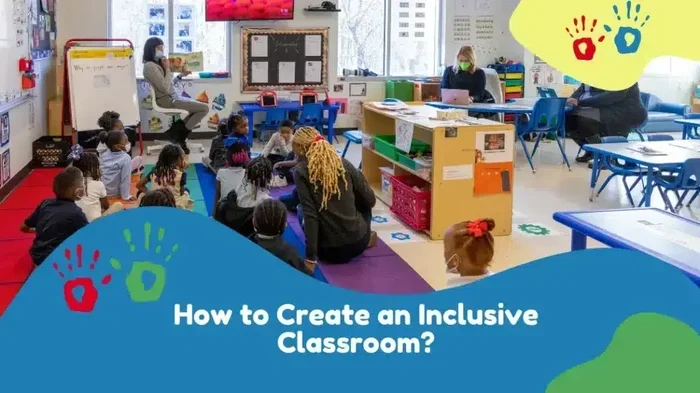
One of the most important and exciting trends in special education is the growing push toward inclusion. Inclusive education means that students with disabilities learn alongside their peers in general education classrooms as much as possible. The goal is not to separate students but to create learning environments where everyone belongs and everyone grows together.
Why Inclusion Benefits Everyone
Research strongly supports the benefits of inclusion. Students with disabilities who learn in general classrooms often show better academic outcomes, stronger social skills, and higher self-esteem. They form real friendships, build confidence, and feel a true sense of belonging. They are not isolated or sidelined. They are part of the community.
But inclusion is not just beneficial for students with disabilities. Their peers also gain valuable lessons in empathy, patience, and acceptance. When classrooms welcome diversity, every single student grows. Using tools like education idioms and creative language exercises, teachers can foster a classroom culture where all learners feel valued, respected, and understood. Inclusion teaches compassion. It prepares all students for the real world, where people of all abilities work, learn, and live together.
Challenges and How to Overcome Them
Inclusion is not without its real-world challenges. Some classrooms lack the resources or trained staff to support diverse learners effectively. Teachers may feel overwhelmed without proper training in differentiated instruction or special education strategies. Budget constraints can also limit access to assistive technology and related services. These are serious concerns, and they deserve honest attention.
However, many schools are finding creative and effective solutions. Co-teaching models pair a general education teacher with a special education teacher in the same classroom. Professional development programs help all educators build inclusive skills and confidence. Technology is also opening new doors for personalized learning every single day. The future of inclusive education is bright, but it requires effort, investment, and commitment from everyone involved. When schools, families, and communities work together, inclusion becomes not just a goal but a reality.
Understanding what is special education is the first step toward building a more inclusive and compassionate world. When we invest in these services and supports, we invest in every child’s future. Every child deserves the chance to learn, grow, and shine in their own way.
Conclusion
What is special education if not a powerful commitment to every child’s potential? It is a system built on the belief that all students deserve the support they need to learn, grow, and succeed. From individualized education programs to inclusive classrooms, the field of special education has come a remarkably long way. But there is always more work to do, more progress to make, and more children to reach.
If you are a parent, a teacher, or simply someone who cares deeply about education, stay informed and stay engaged. Advocate for the services and resources that make a real difference in children’s lives. The more we understand about special education, the better we can support the special needs students in our families, our schools, and our communities. Every child deserves the chance to shine, and special education helps make that possible. Start today by learning more, asking questions, and being the voice that a child needs.
Frequently Asked Questions
What is special education in simple terms?
Special education is specially designed instruction that meets the unique learning needs of students with disabilities. It includes tailored teaching methods, accommodations, and support services that help each child access the curriculum and succeed in school. The goal is to remove barriers and give every student a fair chance to learn and grow.
How do I know if my child qualifies for special education services?
Schools determine special education eligibility through a formal evaluation process. A team of professionals assesses the child’s academic performance, behavior, and developmental history. If the evaluation shows that a qualifying disability negatively affects the child’s educational performance, they may receive an individualized education program and related services.
What is the difference between an IEP and a 504 plan?
An IEP provides specialized instruction and related services for students who qualify under IDEA. A 504 plan provides disability accommodations but does not include specialized instruction. Both plans ensure that students with disabilities receive the support they need to succeed in school. The right choice depends on the child’s specific needs and eligibility.
What are the most common types of learning disabilities in special education?
The most common learning disabilities include dyslexia (reading), dyscalculia (math), and dysgraphia (writing). Other frequent categories include ADHD, autism spectrum disorder, speech and language impairments, and emotional disturbances. Each of these conditions affects learning in different ways, which is why special education plans are always individualized.
How can parents advocate effectively for their child in the special education process?
Parents can advocate by learning their child’s rights under IDEA, keeping detailed records, attending all IEP meetings prepared, and communicating openly with the school team. Asking questions, requesting independent evaluations when needed, and connecting with support groups are also powerful advocacy tools. Your voice as a parent is one of the strongest forces in your child’s educational journey.
Why is inclusive education important for students with disabilities?
Inclusive education allows students with disabilities to learn alongside their peers in general education classrooms. Research shows that inclusion leads to better academic outcomes, stronger social skills, and improved self-esteem for students with disabilities. It also teaches all students empathy, acceptance, and the value of diversity. When classrooms welcome every learner, everyone benefits.


