
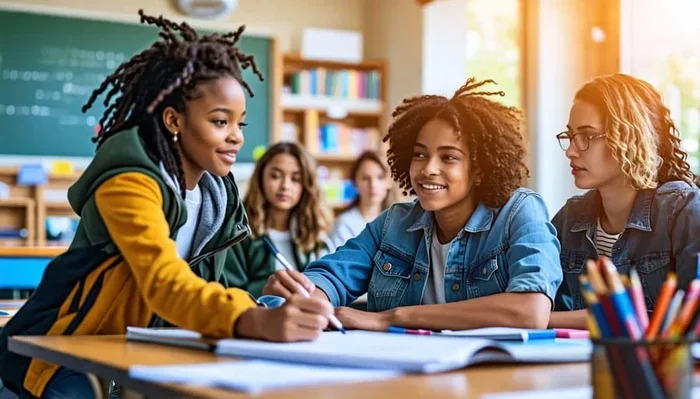
Multicultural education is a teaching approach that values diversity, equity, and inclusion in learning environments. It helps students understand and respect different cultures, identities, and perspectives. This approach transforms classrooms into spaces where every learner feels seen, heard, and valued. In this article, you will learn the core principles, benefits, and practical strategies of multicultural education.
Key Takeaways
- Multicultural education promotes equity: It ensures every student has fair access to learning, regardless of their background or identity.
- It builds cultural competence: Students learn to understand, respect, and engage with diverse cultures and perspectives.
- Inclusive curricula boost engagement: When students see themselves reflected in lessons, they feel more connected and motivated.
- It prepares students for a global world: Cross-cultural skills are essential for success in modern careers and communities.
- Teachers play a key role: With the right training and strategies, educators can create truly inclusive classrooms.
- Challenges exist but are manageable: Resistance, resource gaps, and bias can be addressed with thoughtful planning and commitment.
- It is not a one-time lesson: Multicultural education is a continuous, evolving practice that shapes school culture over time.
📑 Table of Contents
- What Is Multicultural Education and Why Does It Matter?
- The Core Principles of Multicultural Education
- Why Multicultural Education Matters in Today’s Classrooms
- Key Components of a Multicultural Curriculum
- Practical Strategies for Implementing Multicultural Education
- Common Challenges and How to Overcome Them
- The Long-Term Impact of Multicultural Education
What Is Multicultural Education and Why Does It Matter?
Imagine a classroom where every student feels welcome. Where their culture, language, and background are not just accepted but celebrated. That is the heart of multicultural education. It is a teaching approach that puts diversity and equity at the center of learning. Instead of a one-size-fits-all model, it adapts to the rich mix of identities in every classroom.
So why does this matter? Because today’s students live in a connected world. They will work with people from different backgrounds, travel across cultures, and solve global problems. Multicultural education gives them the tools to do all of that with empathy and understanding. It is not just about learning facts. It is about growing into thoughtful, open-minded adults who respect differences and stand up for fairness.
The idea has been around for decades, but it has never been more relevant than it is right now. Schools across the world are recognizing that a diverse learning environment benefits everyone. Students become sharper thinkers, better communicators, and more creative problem-solvers when they learn from and with people unlike themselves.
In this article, we will break down everything you need to know. We will explore the core principles, the real-world benefits, and practical steps you can take. Whether you are a teacher, parent, or simply curious, this guide will help you understand why multicultural education is one of the most important shifts in modern teaching.
The Core Principles of Multicultural Education
At its foundation, multicultural education rests on a few key ideas. These principles guide how teachers design lessons, build classroom culture, and interact with students every day. Let us walk through them one by one.
Equity and Fairness
Equity means giving every student what they need to succeed. It is not about treating everyone exactly the same. It is about recognizing that different students face different barriers. Multicultural education works to remove those barriers. It ensures that a student’s race, gender, language, or economic background does not limit their opportunities.
Cultural Inclusion
This principle says that every culture has value and deserves a place in the curriculum. When students read books by authors from their own culture, or learn about historical events through different lenses, they feel a sense of belonging. Cultural inclusion also means teaching students about cultures that are different from their own. This builds respect and curiosity.
Critical Thinking About Society
Multicultural education encourages students to ask big questions. Why do some groups have more power than others? How do stereotypes form? These are not easy questions, but they are important ones. Students learn to look beyond surface-level differences and understand the deeper systems that shape our world.
Active Social Engagement
Learning does not stop at the classroom door. Multicultural education pushes students to take action in their communities. This might mean organizing a cultural awareness event, volunteering with diverse groups, or simply having honest conversations with peers. The goal is to turn understanding into real-world impact.
Why Multicultural Education Matters in Today’s Classrooms
The benefits of multicultural education go far beyond the classroom walls. Let us look at the most powerful reasons schools should embrace this approach.
It Prepares Students for a Global Workforce
Employers today value workers who can collaborate across cultures. A student who understands global perspectives and communicates across differences has a real edge. Multicultural education builds those skills early. Students learn to listen, adapt, and find common ground. These are skills no textbook alone can teach.
It Reduces Bias and Stereotyping
Prejudice often starts from ignorance. When students only learn about one culture or one way of life, they may form unfair assumptions about everyone else. Multicultural education breaks those patterns. It exposes students to a wide range of human experiences. Over time, this reduces fear of the unknown and replaces it with genuine respect.
It Boosts Academic Performance
Research shows that students in inclusive classrooms perform better academically. When they see themselves reflected in the material, they feel more engaged. They are more likely to participate, ask questions, and take risks. This is especially true for students from underrepresented groups who have historically been left out of mainstream curricula.
It Strengthens Social and Emotional Skills
Learning about different cultures helps students develop empathy. They practice seeing the world through someone else’s eyes. This emotional growth is just as important as academic growth. Students who understand cultural awareness are better equipped to handle conflict, build friendships, and lead with compassion.
Key Components of a Multicultural Curriculum
Building a multicultural curriculum takes more than adding a few new books to the reading list. It requires a thoughtful, layered approach. Here are the main components that make it work.
Representation in Materials
Every textbook, video, and reading passage should reflect the diversity of the real world. This means including stories from people of different races, ethnicities, religions, abilities, and family structures. Representation in curriculum sends a powerful message: you belong here.
Multiple Perspectives
No history is told from just one angle. A multicultural approach encourages teachers to present events from different viewpoints. For example, when studying colonization, students might hear from both the colonizers and the colonized. This does not mean watering down the truth. It means adding depth and honesty to the story.
Language Diversity
Many students in today’s schools speak languages other than English at home. Multicultural education honors that. It might include bilingual resources, multilingual signage, or lessons that explore how language shapes identity. Teachers can also encourage students to share words and phrases from their home languages. This creates a rich, multilingual education environment.
Family and Community Involvement
A truly inclusive curriculum reaches beyond the school building. It invites families to share their traditions, stories, and expertise. When a parent comes in to teach a cooking class from their culture or a grandparent shares a folk tale, learning becomes real and personal. This kind of community engagement strengthens the bond between school and home.
Practical Strategies for Implementing Multicultural Education
You might be wondering, “How do I actually do this?” The good news is that multicultural education does not require a complete overhaul of your entire program. Small, intentional steps can make a big difference.
Start with Self-Reflection
Before teachers can create an inclusive classroom, they need to understand their own biases. Everyone has them. It is part of being human. Take time to reflect on your assumptions. Ask yourself: Whose stories do I center in my lessons? Whose voices am I missing? Honest self-reflection is the first step toward real change.
Use Diverse Teaching Materials
Audit your current resources. Do your classroom libraries include books with diverse characters? Do your lessons feature scientists, artists, and leaders from a range of backgrounds? If not, start small. Swap out one resource at a time and build from there. Even simple changes, like displaying posters from different cultures, can shift the feel of a room.
Create Safe Spaces for Dialogue
Students need to feel safe enough to ask hard questions and share their experiences. Set ground rules for respectful conversation. Model active listening. When a student shares something personal, honor that moment. These inclusive classroom practices build trust over time.
Integrate Cultural Similes and Metaphors
Language is a powerful window into culture. You can use similes for education to help students explore how different cultures express ideas through comparison. For instance, many cultures have unique sayings that compare learning to natural phenomena. Similarly, exploring metaphors for education across cultures can reveal deep insights about how different communities view knowledge and growth. You might also introduce idioms for education from various languages and discuss what they mean. These exercises make language learning fun while building cross-cultural communication skills. Students quickly discover that even simple figures of speech carry rich cultural meaning.
Celebrate Cultural Events Year-Round
Do not limit cultural celebrations to a single month. Integrate them into everyday learning. Celebrate Lunar New Year with a story circle. Explore Diwali through art projects. Mark Black History Month with primary source analysis. The key is to make these moments feel natural and ongoing, not like check-the-box activities.
Common Challenges and How to Overcome Them
Implementing multicultural education is not always smooth. Schools and teachers face real obstacles. Here are the most common ones and practical ways to address them.
Resistance from Parents or Administrators
Some people worry that teaching about different cultures will “divide” students. This is a misunderstanding. In reality, multicultural education brings students together by building empathy. Share research and success stories. Invite skeptics to observe a lesson. Often, seeing the positive impact in action changes minds.
Lack of Resources
Not every school has a big budget for diverse materials. But there are low-cost ways to build a rich collection. Start with your local library. Use free online resources from organizations that support educational equity. Ask families to contribute books and artifacts from their cultures. Creativity goes a long way.
Teacher Preparedness
Many teachers feel underprepared to teach about cultures other than their own. This is a valid concern. The solution is ongoing professional development. Schools should invest in training that goes beyond surface-level awareness. Teachers need tools, practice, and a safe space to grow their cultural competence.
Tokenism and Superficiality
One of the biggest mistakes schools make is reducing multicultural education to food, festivals, and fashion. This is called tokenism, and it does a disservice to students. Real multicultural education digs deeper. It examines systems of power. It centers student voices. It challenges unfairness. Go beyond the surface. Aim for depth and authenticity.
The Long-Term Impact of Multicultural Education
The effects of multicultural education ripple outward for years. Students who grow up in inclusive learning environments carry those values into adulthood. They become neighbors, coworkers, and leaders who value educational equity and social justice education. They are less likely to hold stereotypes and more likely to advocate for fairness.
Schools that commit to this approach often see stronger community ties. Parents feel more connected when they see their culture reflected. Students feel safer when they know their identity is valued. The entire school culture shifts toward respect and curiosity.
Multicultural education is not a trend. It is a fundamental shift in how we think about teaching and learning. It recognizes that every child brings something valuable to the classroom. And when we honor that diversity, everyone grows.
If you are a teacher looking to start, begin with one small change tomorrow. Read a book by an author from a different background. Add one new voice to your lesson plans. Have one honest conversation with your students about what makes them unique. These small steps add up to something powerful. Multicultural education starts with a single act of inclusion. And it can change lives.
Frequently Asked Questions
What is multicultural education in simple terms?
Multicultural education is a teaching approach that values and includes the diverse cultures, backgrounds, and identities of all students. It aims to create fair and respectful learning spaces where everyone feels seen and heard.
Why is multicultural education important for students?
It helps students develop empathy, critical thinking, and cross-cultural communication skills. It also prepares them to thrive in a diverse world and challenges stereotypes and bias from an early age.
How is multicultural education different from regular education?
Regular education often follows a single cultural perspective. Multicultural education actively includes multiple viewpoints, celebrates diversity, and works to ensure equity for all learners regardless of their background.
Can multicultural education be taught at any grade level?
Absolutely. It can be adapted for young children through simple stories and activities, and it can deepen at higher grade levels with complex discussions about history, identity, and social justice.
What are some common mistakes schools make with multicultural education?
Common mistakes include reducing it to holidays and food, using only surface-level materials, and failing to involve families. The best approach goes deeper and treats diversity as an ongoing part of learning.
How can parents support multicultural education at home?
Parents can read books with diverse characters, discuss different cultures openly, expose children to varied experiences, and model respect and curiosity about people who are different from themselves.
=== CONCLUSION ===
Multicultural education is more than a teaching method. It is a commitment to fairness, respect, and inclusion in every classroom. It recognizes that students learn best when they feel valued for who they are. From building cultural awareness to preparing young people for a connected world, the benefits are clear and lasting.
The strategies we covered in this article, from inclusive curricula to honest dialogue, give you a practical starting point. You do not need to overhaul everything at once. Small, consistent steps lead to real change. The goal is a classroom where every student can see themselves and learn from others.
If you are ready to take the next step, start today. Choose one strategy from this guide and try it in your next lesson. Watch how it shifts the energy in your room. Share what you learn with colleagues. And keep growing. Multicultural education is a journey, and every step you take makes a difference.


