
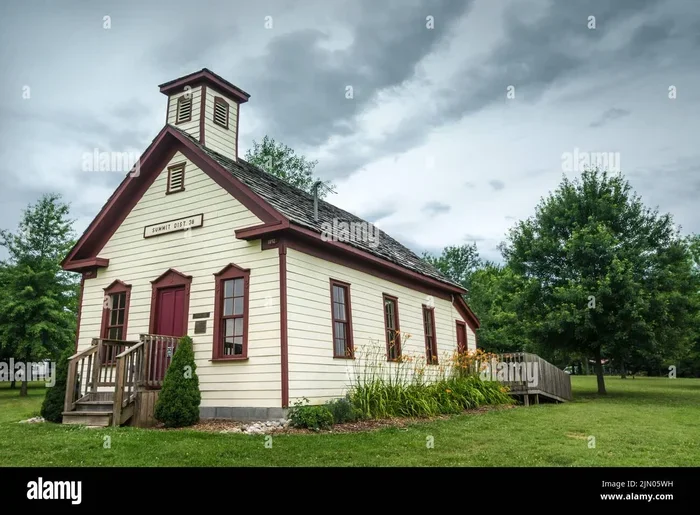
Public education began centuries ago, with early forms emerging in ancient civilizations before taking shape in America during the 19th century. The modern public school system grew from efforts to provide free, universal education to all children, driven by reformers and legislation that changed the course of history.
Have you ever wondered when did public education begin? It is a question that takes us on a journey through centuries of human history. From ancient classrooms to modern school buildings, the story of public education is one of progress, struggle, and big ideas about what learning should look like for everyone.
The history of public education is not just about schools and teachers. It is about societies deciding that knowledge should be shared, not kept behind closed doors. Today, millions of children attend public schools every day, but this system did not appear overnight. It took generations of thinkers, reformers, and lawmakers to build what we have now.
In this article, we will walk through the full story. You will learn about the earliest forms of communal learning, how America built its school system, the people who fought for change, and the milestones that shaped the way we think about education today. Whether you are a student, a parent, or just curious, this history lesson has something for everyone.
Key Takeaways
- Ancient Foundations: Public education traces back to ancient Greece, Rome, and early civilizations that valued communal learning.
- American Origins: The modern public school movement in America gained momentum in the 1800s, led by pioneers like Horace Mann.
- Compulsory Education Laws: Laws requiring school attendance transformed education from a privilege into a right for children across the nation.
- Major Milestones: Landmark events like the Morrill Act and Brown v. Board of Education reshaped access and equality in schooling.
- Ongoing Evolution: Public education continues to adapt, addressing new challenges like technology, equity, and changing workforce needs.
- Why It Matters: Understanding education history helps us appreciate the system we have today and advocate for its future improvement.
📑 Table of Contents
The Early Roots of Public Education
The idea of public schooling is older than most people think. Long before there were school buses and lunchrooms, communities found ways to teach their young. The earliest forms of education were often tied to religion, survival, and civic duty.
Ancient Civilizations and Learning
In ancient Greece, boys from certain families attended schools where they learned reading, writing, music, and physical training. The Greeks believed that education was essential for a functioning democratic society. Similarly, ancient Rome valued education for its citizens, though access was mostly limited to the wealthy.
In China, Confucius promoted the idea that learning should be available to anyone willing to work hard. His teachings influenced education systems for thousands of years. These early ideas planted the seed for a bigger question: should learning be a right for all people, not just the rich?
Medieval and Early Modern Education
During the Middle Ages in Europe, the Catholic Church played a huge role in education. Monasteries and churches ran schools where monks and some local children learned to read and write. These were not “public” in the modern sense, but they were early examples of organized learning for communities.
By the 1500s and 1600s, European countries started passing laws about education. For example, the Protestant Reformation pushed for literacy so people could read the Bible themselves. This shift helped make education a broader social goal rather than just a private family matter.
How Public Education Took Shape in America
The American story of public education is one of the most interesting chapters in education history. When the first settlers arrived in the New World, they brought their own ideas about schooling. But building a system that served everyone took time, debate, and a lot of hard work.
Colonial-Era Schooling
In the 1600s, some colonies passed laws requiring towns to set up schools. The Old Deluder Satan Law of 1647 in Massachusetts was one of the first. It required towns with 50 or more families to hire a teacher. The goal was simple but powerful: keep people from being tricked by not knowing how to read.
However, these early schools were far from universal. Girls, enslaved people, and poor families often had no access. Education was a privilege for some, not a right for all. This inequality would become a driving force for reform in the centuries to come.
The Rise of the Common School Movement
The 1800s brought a big shift. The common school movement aimed to create free, publicly funded schools for every child. The idea was that a democratic republic needed educated citizens to survive and thrive.
Taxpayers would fund these schools through local taxes. In return, every child in the community could attend. This was a radical concept at the time. It connected public education directly to the health of a free society. People who supported this vision believed that education and higher earnings went hand in hand, and that strong schools built stronger communities.
The Role of Key Figures in Education History
No movement succeeds without passionate leaders. The push for public education in America had several champions who dedicated their lives to making schooling available to all.
Horace Mann: The Father of American Public Schools
Horace Mann is perhaps the most famous name in American education history. As a Massachusetts legislator and education reformer in the 1830s and 1840s, he fought tirelessly for free, universal schooling. He believed that public schools could level the playing field and give every child a fair start in life.
Mann traveled across Massachusetts giving speeches and pushing for better school funding. He also helped shape the idea of trained, professional teachers. Before his efforts, many teachers had little formal training. Mann’s vision helped raise the bar for teacher quality and school standards.
Other Pioneers and Reformers
Mann was not alone. Other reformers played important roles too. For example, Thomas Jefferson once proposed a system of public education for Virginia. Though his plan did not pass at the time, it showed that even founding fathers saw the value in public schooling.
Women like Catharine Beecher and Mary Lyon pushed for better educational opportunities for girls and women. Their work helped expand the idea of who deserved access to learning and personal growth. These pioneers laid the groundwork for the inclusive education system we have today.
Major Milestones in Public Education
The history of public education is full of turning points. Certain laws, court decisions, and social movements changed the course of schooling forever. Here are some of the most important milestones.
Compulsory Education Laws
By the late 1800s, states across America began passing compulsory education laws. These laws required children to attend school up to a certain age. Massachusetts was the first state to do so in 1852, and by 1918, all states had some form of compulsory attendance.
These laws were not always popular. Some families, especially farmers and immigrant communities, resisted them. But over time, compulsory education helped raise literacy rates and gave more children the chance to learn. It also set the stage for a more educated workforce and stronger economy.
The Morrill Act and Land-Grant Colleges
In 1862, the Morrill Act gave federal land to states to create colleges focused on agriculture, engineering, and the arts. These land-grant institutions made higher education more accessible to ordinary people. They were a big step toward the idea that learning should not stop at a basic level.
This law helped shape what we now call postsecondary education. It also connected education directly to economic growth and national development. Today, many major universities trace their origins back to the Morrill Act.
Brown v. Board of Education
In 1954, the Supreme Court ruled that segregated schools were unconstitutional. The Brown v. Board of Education decision was a landmark moment in the fight for educational equity. It declared that “separate but equal” had no place in public education.
This ruling did not end all discrimination overnight. But it opened the door for the civil rights movement in schools and helped pave the way for more inclusive education policy. It remains one of the most important moments in the history of American public schooling.
The Department of Education
In 1979, the Department of Education was created as a federal agency. Its role is to oversee education policy, distribute funding, and enforce civil rights in schools. This department helped centralize and coordinate education reform efforts across the country.
Today, the Department of Education plays a key role in shaping everything from student financial aid to school accountability standards. Its creation marked a new era in how the federal government approached public education.
How Public Education Has Changed Over Time
The story of public education does not end with the past. Schools have continued to evolve in response to new challenges, technologies, and social needs. Understanding these changes helps us see where public schooling is headed next.
The Growth of School Districts and Standardized Testing
In the 20th century, public schools became more organized. Local school districts took shape, and states developed standardized curricula. Standardized testing became a common way to measure student progress and school performance.
While testing has its critics, it also helped highlight gaps in educational access and quality. It pushed policymakers to focus on areas where students were falling behind. This era also saw the expansion of special education services, ensuring that children with disabilities had the right to a free and appropriate public education.
Technology and Modern Classrooms
The 21st century brought rapid changes. Computers, the internet, and digital tools transformed how students learn. Today, many classrooms use educational technology to personalize learning and engage students in new ways.
The COVID-19 pandemic also showed both the strengths and weaknesses of public education. Schools had to adapt quickly to remote learning. This experience highlighted the importance of digital equity and the need for flexible, resilient school systems.
Ongoing Challenges and the Future
Despite the progress made, public education still faces big challenges. Funding gaps between wealthy and low-income areas remain a serious issue. Teacher shortages affect many regions. And debates about curriculum standards, school choice, and equity continue to shape the conversation.
Looking ahead, the future of public education will likely involve more focus on student mental health, career readiness, and community engagement. The core idea that education is a public good remains as important as ever. Understanding where we came from helps us make better decisions about where we are going.
Why Understanding Education History Matters
You might be thinking, “Why does any of this matter?” The answer is simple. When we know the history of public education, we understand why our schools look the way they do today. We also gain a deeper appreciation for the people who fought for the right to learn.
History also helps us spot patterns. For example, every major education reform in America was driven by ordinary people who believed in change. From Horace Mann to the families who marched for integrated schools, the story of public education is a story of people power.
If you want to learn more about related topics, check out what is the purpose of education to understand why schools exist in the first place. You can also explore why education is important to see how learning shapes lives and communities. For a deeper dive into the system that governs our schools, what is the Department of Education offers great context on how education policy works at the federal level.
The story of when public education began is not just a lesson in dates and laws. It is a story about values. It is about what kind of society we want to build and who we believe deserves a chance to learn and grow.
Conclusion
So, when did public education begin? The answer is that it started long ago, in ancient classrooms and medieval monasteries, and grew into the modern system we know today through centuries of effort and vision. From the common school movement to landmark court decisions, the journey has been long and sometimes difficult. But the result is a public schooling system that serves millions of students every day.
The history of public education reminds us that no system is perfect. But it also shows us that change is possible when people care enough to fight for it. Whether you are a teacher, a parent, a student, or just a curious learner, understanding this history empowers you to be part of the next chapter.
Take what you have learned here and share it. Talk about it with friends, family, or your community. The more we know about where our education system came from, the better equipped we are to shape its future. Public education belongs to all of us, and its story is far from over.
Frequently Asked Questions
When did public education officially begin in America?
Public education in America began taking shape in the early 1800s with the common school movement. Massachusetts passed the first compulsory education law in 1852, marking a major step toward universal public schooling.
Who is considered the father of American public education?
Horace Mann is widely regarded as the father of American public education. He was a reformer in the 1830s and 1840s who championed free, publicly funded schools for all children in Massachusetts and beyond.
What was the purpose of early public schools?
Early public schools aimed to teach basic literacy, civic responsibility, and moral values. They were designed to create informed citizens who could participate in a democratic society and contribute to the economy.
How did compulsory education laws change public schooling?
Compulsory education laws required children to attend school up to a certain age. These laws dramatically increased school attendance rates and helped raise literacy levels across the country, making education a standard part of childhood.
What impact did Brown v. Board of Education have on public education?
The Brown v. Board of Education decision in 1954 declared segregated schools unconstitutional. It was a turning point for educational equity and helped launch broader civil rights efforts in schools across America.
Is public education still evolving today?
Yes, public education continues to evolve. Modern challenges like technology integration, funding equity, and teacher shortages are driving ongoing education reform. The system adapts to meet the changing needs of students and communities.


